
Many business owners know that they need an accountant — a term generally used to refer to everything from a bookkeeper to a CPA — but they do not understand or value the different skill sets within that term. Good owners will often have an individual who tracks and categorizes the business activity on a consistent basis and a tax person for year-end tax compliance. Great business owners understand that they need someone to interpret the numbers and predict trends to help avoid risk and grow the business. Let's take a deeper look at what each of these roles looks like.
Compliance Role — Bookkeeper
Bookkeepers are essential in any business. There's no question about that. Their job is to record and organize your financial transactions. They track what comes in, what goes out, and make sure everything is categorized correctly. They're the ones keeping the books clean so that tax time isn't a complete disaster.
Think of a bookkeeper as someone who documents the story of a business after it's already happened. They're looking backward, recording history. That's valuable, but it's only part of the picture.
What a bookkeeper typically does not do is tell business owners what those numbers mean, what to do about them, or how to use them to make smarter decisions going forward.
Predictive Role — CFO (Chief Financial Officer)
A CFO's role depends heavily on the bookkeeper but has a different focus. They look at a business's numbers and help the owner(s) understand the story behind them. They ask questions like: Are you pricing your jobs correctly? Are your fixed costs eating into your profit margin? Do you know your break-even number, and are you hitting it?
Where a bookkeeper records the past, a CFO helps business owners plan for the future. They take what the books say and translate it into action. They help business owners set goals, identify where money is being lost, and create a roadmap for actually building a profitable business, not just a busy one.
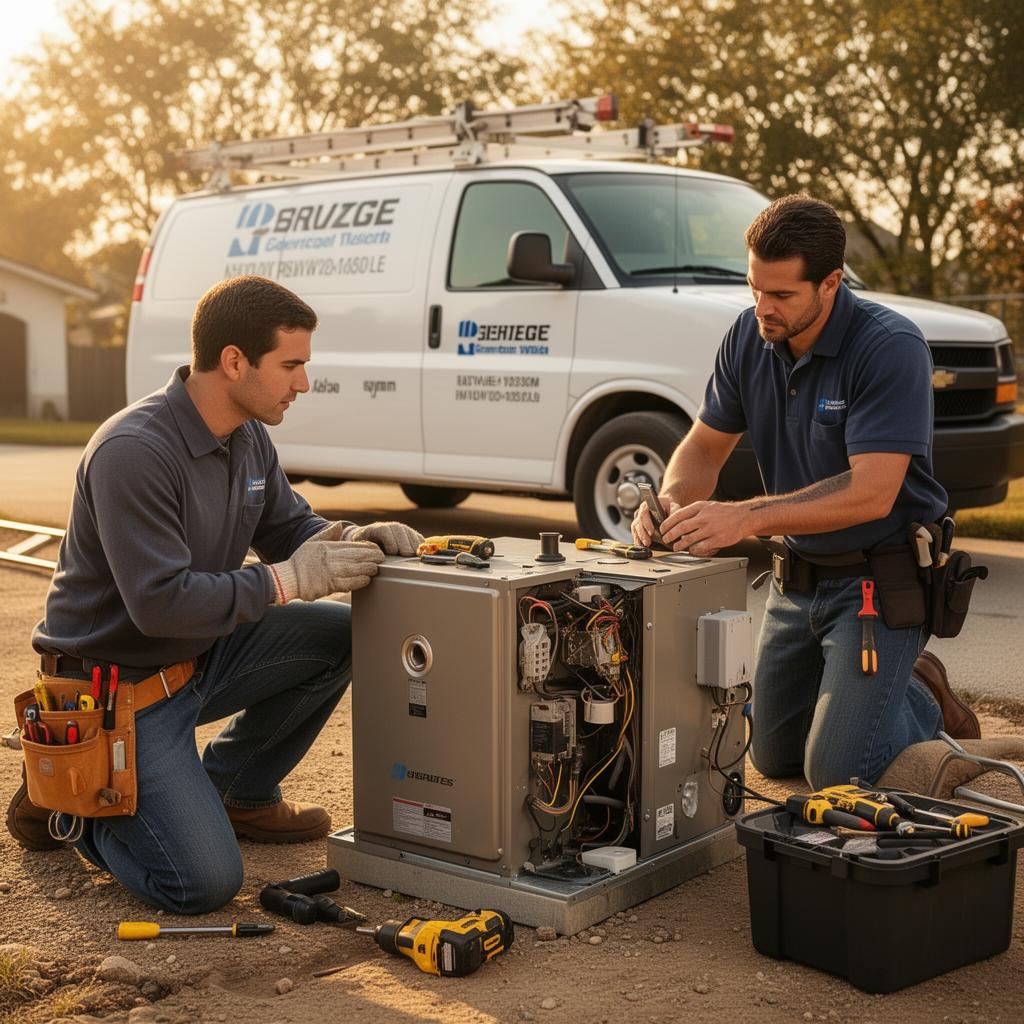
For HVAC business owners especially, this distinction matters. They're running a seasonal business with unpredictable demand, variable costs tied to parts and labor, and fixed expenses that don't take a break just because a month that's usually busy is slow. That kind of financial complexity needs more than organized records; it needs strategy.
Why Having Both Is Important
Here's the thing: bookkeepers and CFOs aren't competing positions. They work together. Clean, accurate books are the foundation. Without them, there's nothing solid to work with. But clean books alone won't tell business owners whether they need to raise their prices, cut a subscription they forgot about, or set aside reserves before the slow season hits.
A lot of HVAC business owners make the mistake of assuming that if their books are in order, their finances are in order. Those are two different things. Their books can be perfectly organized and still show them losing money — or making money they don't fully understand.
The goal isn't just to know what happened. The goal is to know why it happened, what it means, and what to do next.
Where Square Books Fits In
At Square Books, the focus isn't just on keeping records clean; it's on helping HVAC business owners actually understand their finances. That means going beyond the transactions and having real conversations about profitability, pricing, cash flow, and growth.
When business owners work with Square Books, they're not just getting someone who categorizes their expenses and hands them a report. They're getting a partner who looks at those numbers with them, explains what they mean in plain language, and helps them make decisions that move their business forward.
Because at the end of the day, your books aren't just a record of what happened. They're a tool for building the business you actually want to run.
If you're ready to stop guessing and start making decisions with confidence, book a free financial assessment with Joseph.
Disclaimer: The information in this post is intended for general guidance purposes. For advice specific to your business finances or taxes, consult a licensed accountant or financial advisor.