
In our recent post "Hope Is Not a Cash Flow Strategy", we gave the scenario of a business owner checking their bank account regularly and being disappointed that the amount of money in the bank doesn't move despite making a good amount of revenue.
However, this is not an isolated scenario. This common and valid situation is a symptom of deeper issues, not necessarily the sign of a bad business.
The Situation
There are a couple of signs we see that indicate that this is the scenario a business owner is facing. The first one is that revenue looks good on paper but cash is always short. A sign of that can be that the business owner can't pay the bills or make payroll, so they may rely on credit lines to pay them.
Another symptom we see is the business owner not taking consistent pay. Many business owners wait until the end of the month to see what cash is leftover, and pay themselves from that. They're never sure where the money "goes".
Why This Happens in HVAC Specifically
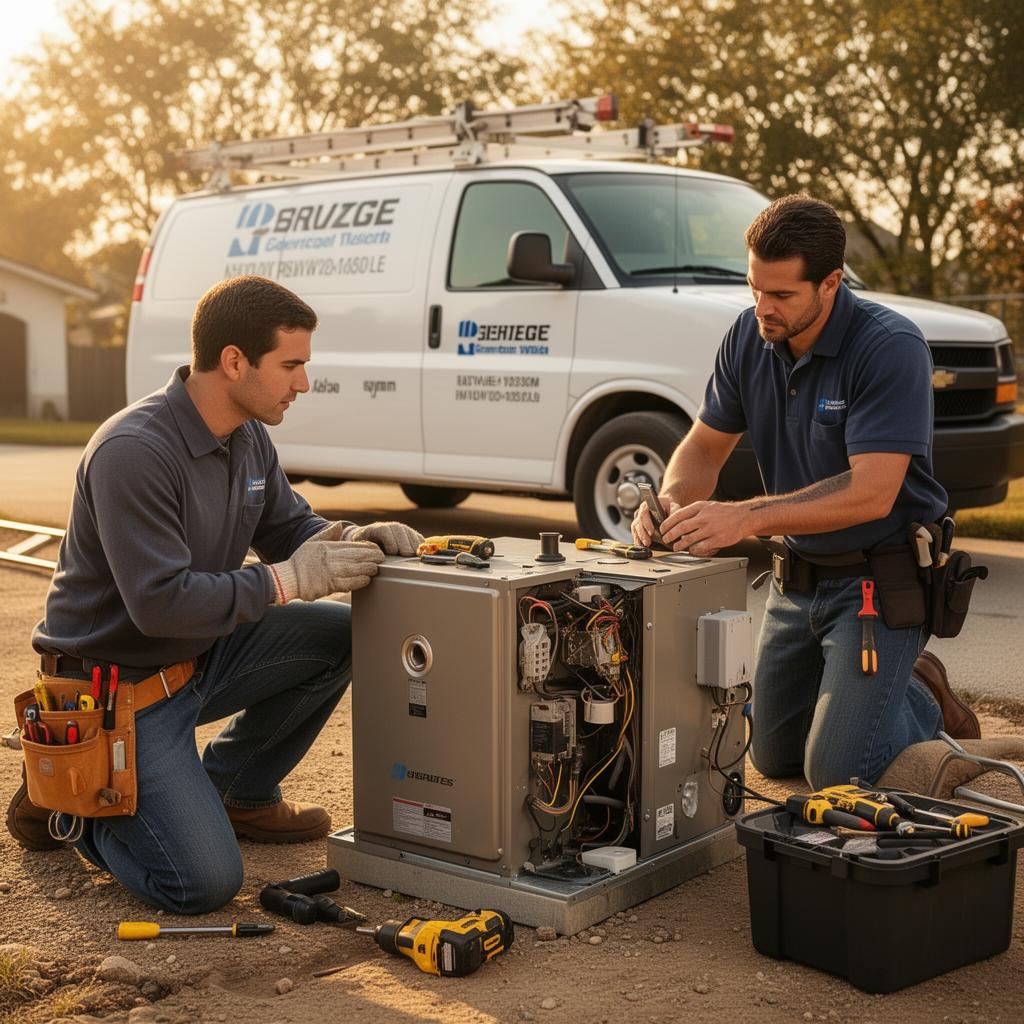
Unlike many industries, the ebb and flow of HVAC work is run largely by seasonality. Summer and winter are particularly busy seasons, especially in certain regions. During the former, AC units quit working and the jobs pile up. In the winter, furnaces malfunction, and add the potentially hazardous driving conditions characteristic to some particular regions, and like the summer months, it can be difficult for the business to keep up with all the calls coming in.
Why "More Revenue" Isn't the Fix
Many business owners may think that the logical solution is to get more revenue. However, getting more revenue without fixing cash flow problems only amplifies the squeeze; it doesn't dissolve it.
It's also important for business owners to understand the connection between profit and cash before scaling further. Profit is what the company has left after all expenses have been paid while cash is the money left after all loans and the owner have been paid.
So if increasing the revenue isn't a solution, what is? To answer that a business owner needs to first assess their situation and understand the cashflow gaps. This initial assessment is a complimentary service that Square Books provides. In this assessment, we will review a business's financials for the prior two years, assess cashflow and discuss any concerns that we see. The goal of this assessment is not to sell a system or product, but to help owners understand their business better and continue to grow. If you would like further information or to schedule a call, here is a link to Joseph's calendar.
What a Financial Assessment Looks Like
When you book a financial assessment with Joseph, it's not a sales pitch; it's a low-pressure meeting where Joseph will help you diagnose the issues your business is running into. The financial assessment covers cash flow analysis, pricing/margin check, and seasonality effect.
Joseph Shawver has almost a decade of experience in the finance industry. He's also a Certified Fractional CFO, and has helped 40+ businesses get their finances back to a good place.
Conclusion
Good revenue isn't the same as healthy cash flow, and it's important that business owners find out what's really going on. It's also important that they have a trained, experienced expert to walk them through everything.
If you're eager to get an assessment of your business's finances with a professional, book a complimentary consultation with Joseph.
Disclaimer: The information in this post is intended for general guidance purposes. For advice specific to your business finances or taxes, consult a licensed accountant or financial advisor.